A Big Award Season for Prime Phenix: Our 2026 Award Shortlists
A big award season for Prime Phenix: Our 2026 Award Shortlists
Prime Phenix has been shortlisted across four prestigious industry awards this year. This is a proud recognition of our visionary leadership, dedicated commitment to sustainability, and the exceptional homes we continue to deliver. To receive this level of industry recognition reaffirms that our focus on crafting purpose-driven homes is both a vital and deeply rewarding endeavor.
Here is what we have been shortlisted for:
1) Sustainable Leader of the Year at the Property Week Sustainable Real Estate Forum & Awards 2026: Dr Amir Naghsh
Dr Amir Naghsh has embedded sustainability into Prime Phenix’s approach to development, treating it as responsibility long after construction completion. Under his leadership, Prime Phenix has delivered increasingly ambitious London developments that combine energy-efficient technologies, and passive design with a consistent vision for sustainable, people-centred living.
2) Outstanding Placemaking – Small Scheme at the Property Week Sustainable Real Estate Forum & Awards 2026: Prime phenix
We try to reduce our carbon footprint in every way we can, from MVHR systems and solar panels to the materials we choose to build with. For us, sustainability is about making thoughtful decisions at every stage of a development, creating homes that are not only well designed, but also more efficient and better for the future. That’s why being recognised in the Sustainable Real Estate Awards 2026 for both our approach to sustainability and the places we create makes this recognition particularly meaningful to us.
3) Leader of the Year, Residential (Small) at Property Week Inspiring Women in Property Awards 2026: Narges Salimi
Congratulations to Narges Salimi, our Head of Commercial and Programme.
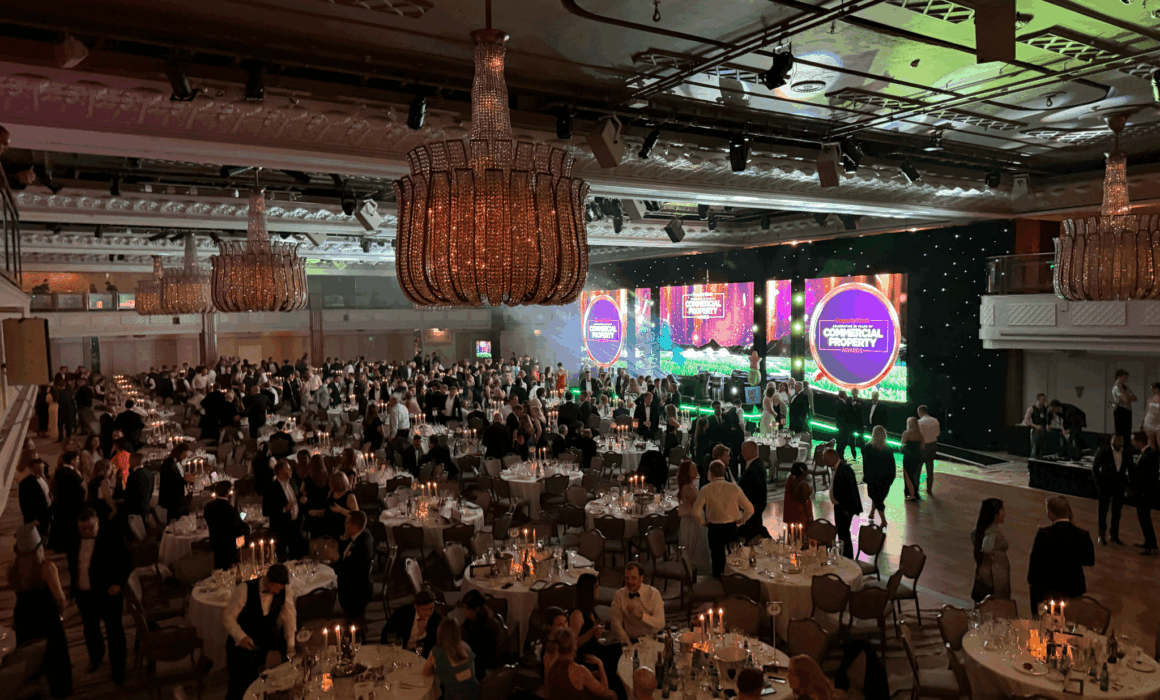
4) Finalist for Property Leader of the Year, Capital, Investment & Asset Management at the Commercial Property Awards by Property Week: Dr Amir Naghsh
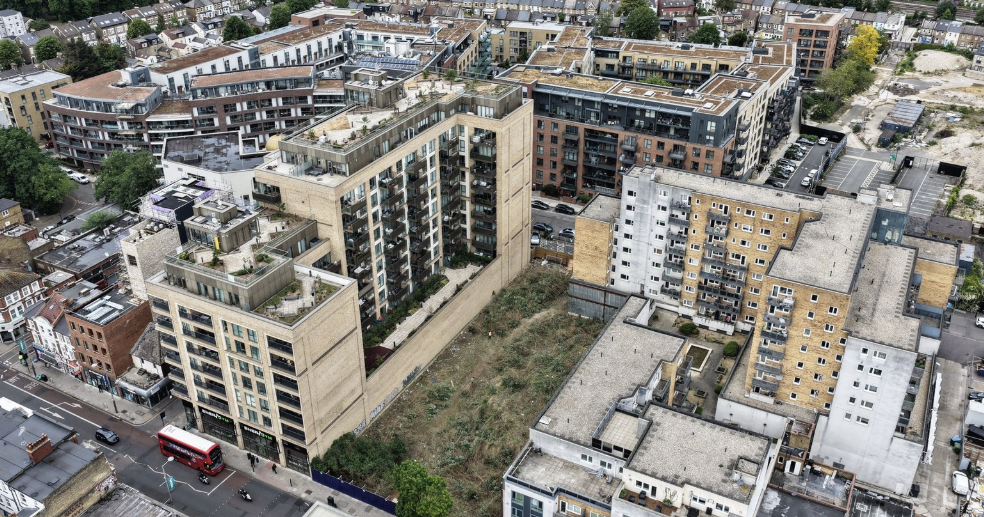
Since 2016, we’ve focused on one thing: building homes where quality of construction and quality of life sit side by side. That quiet consistency, scheme after scheme, from Beaconsfield to Acton, is what this nomination really reflects
5) Best Business for Hospitality & Leisure from West London Chambers Business Awards 2026: West Ealing All-inclusive studios
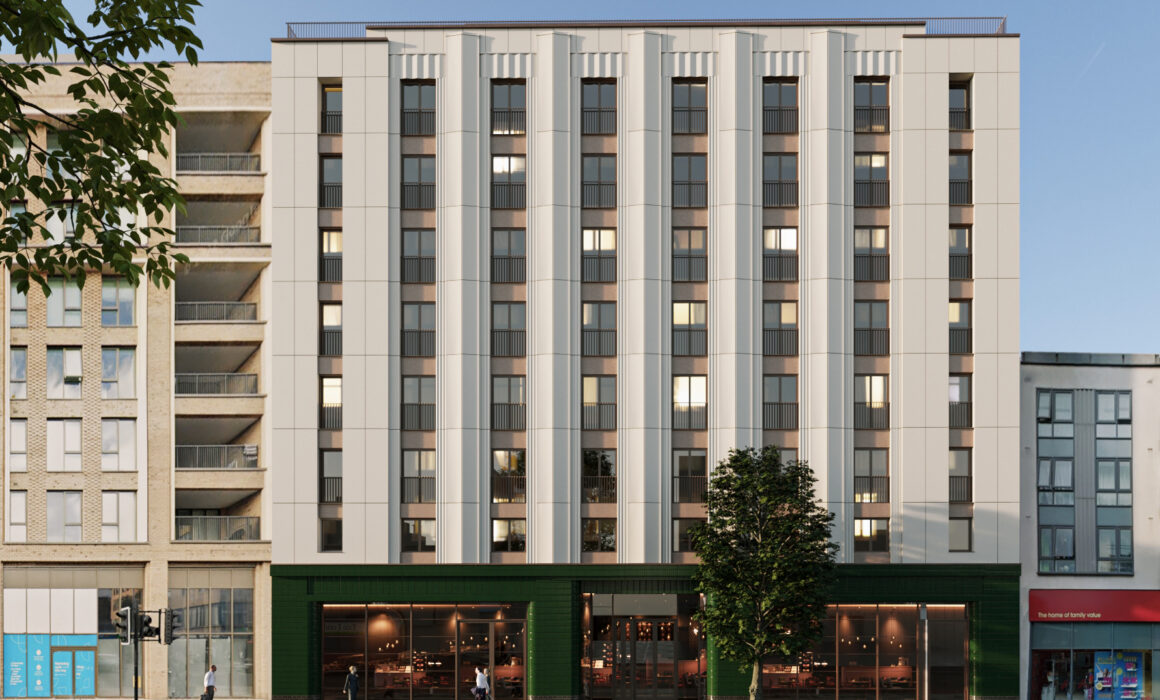
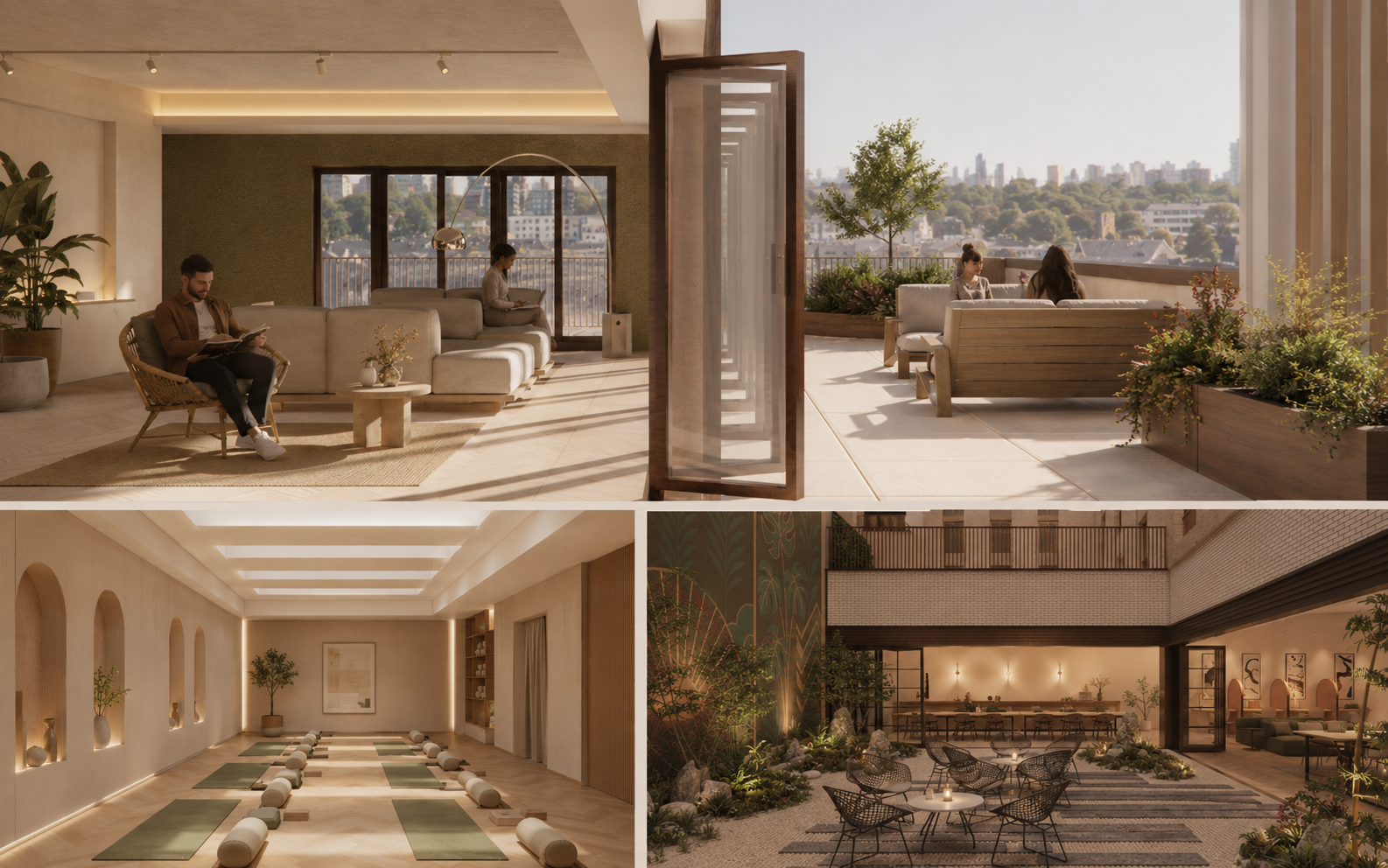
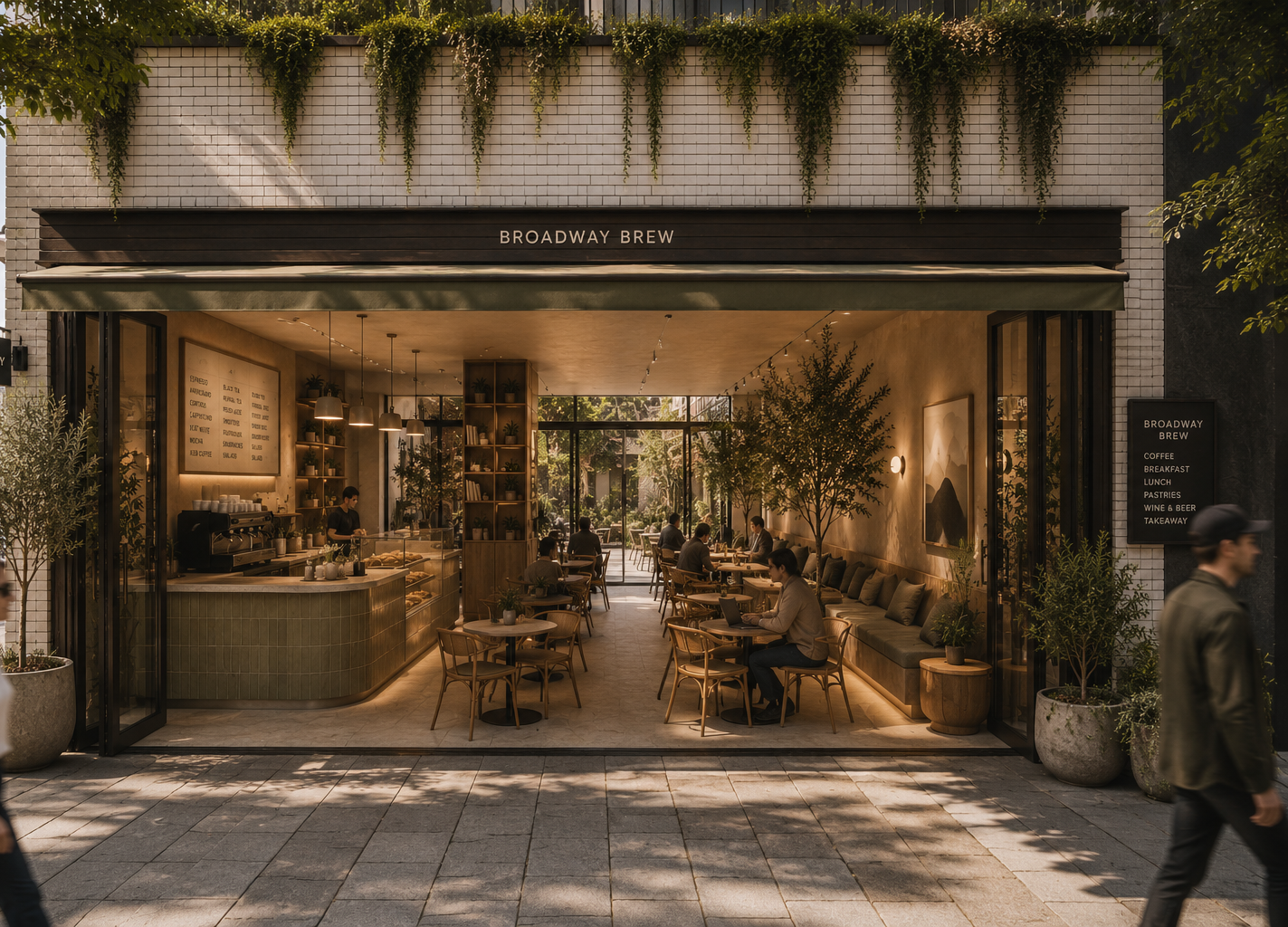
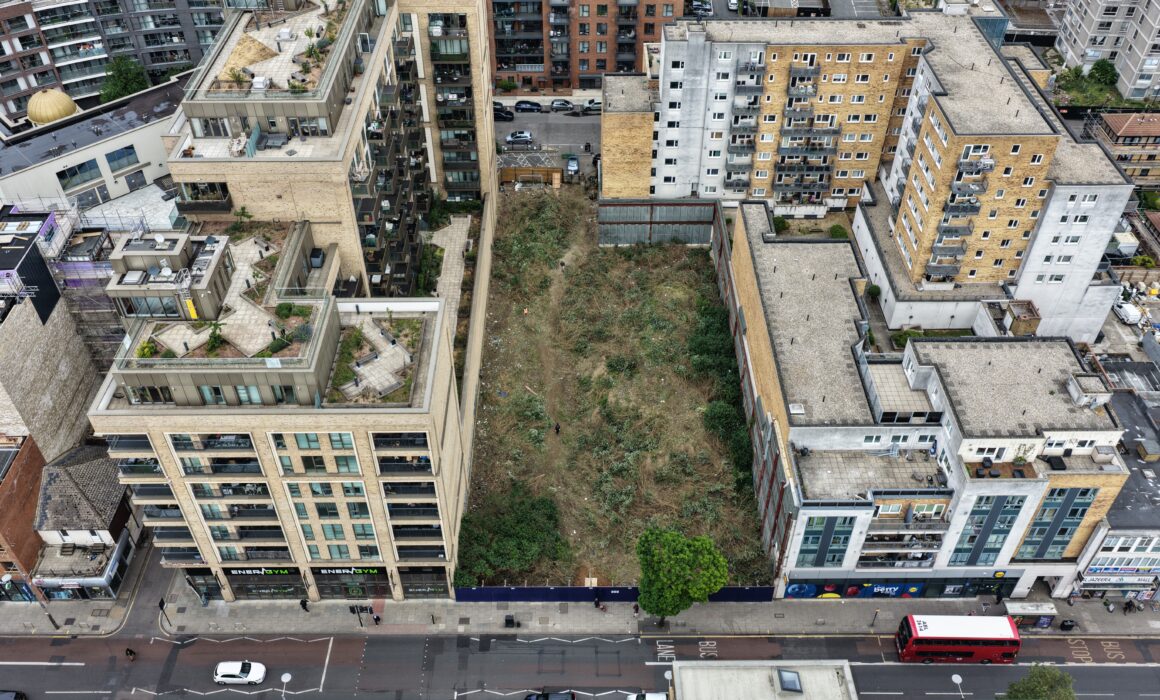
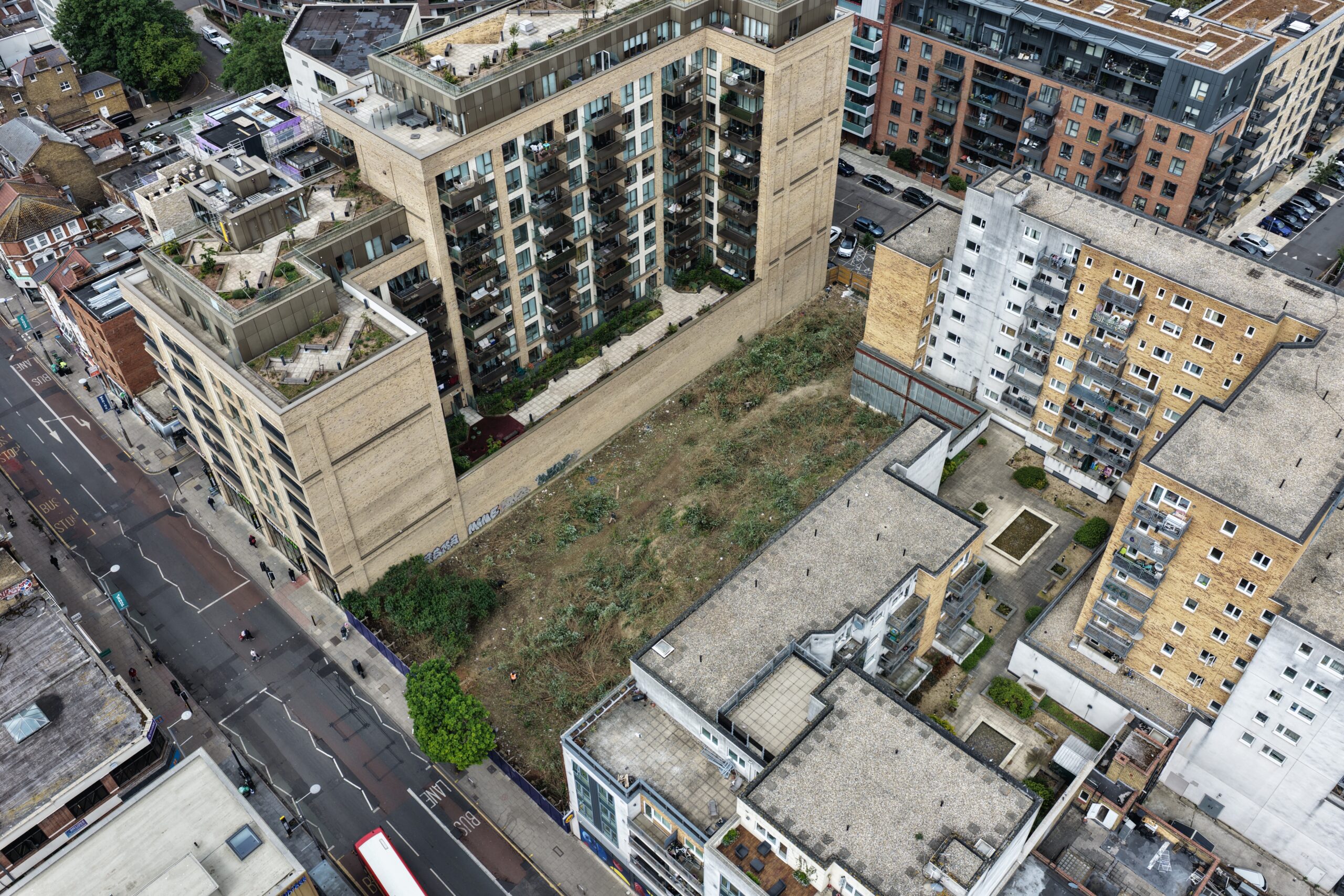
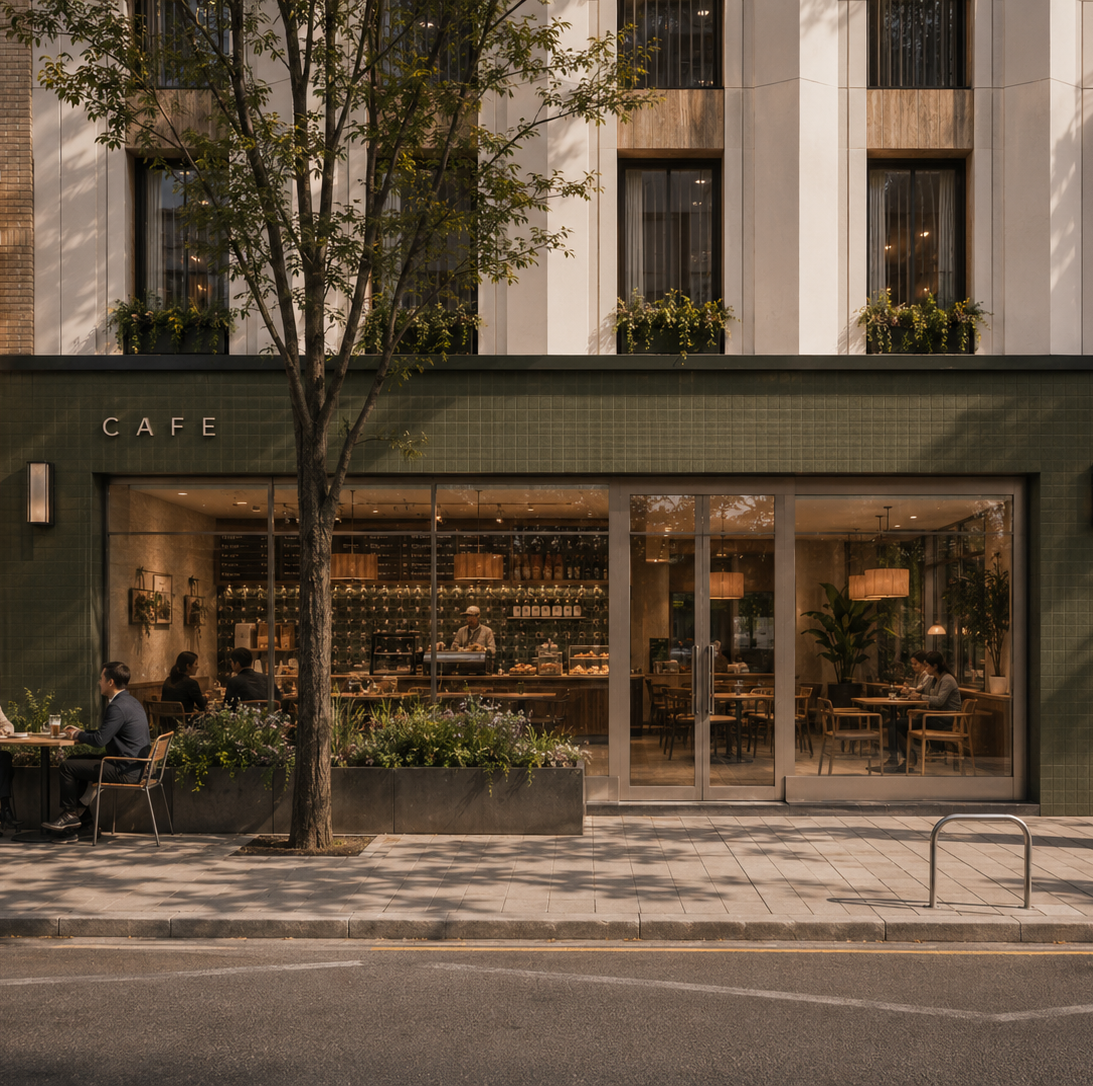
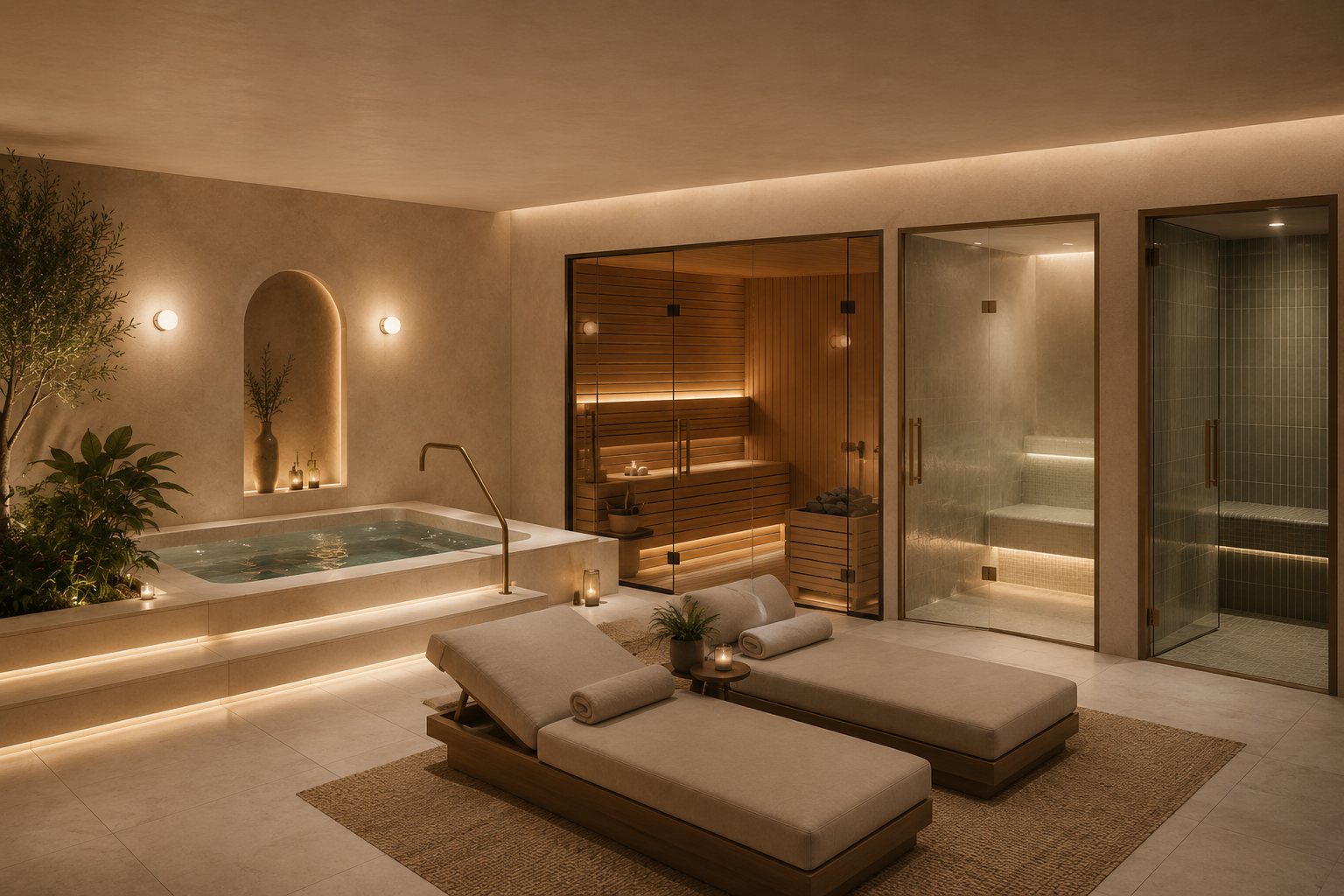
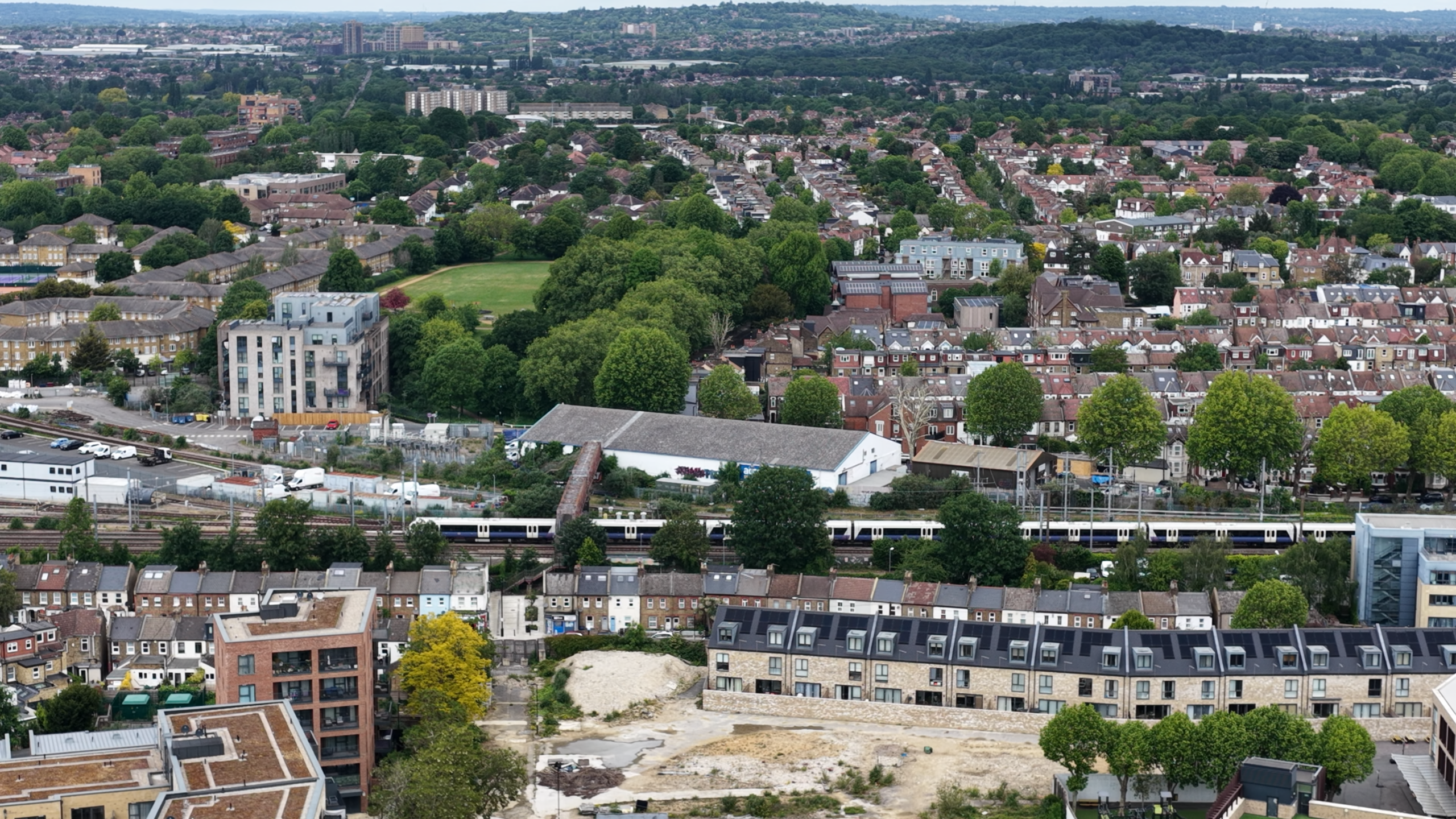
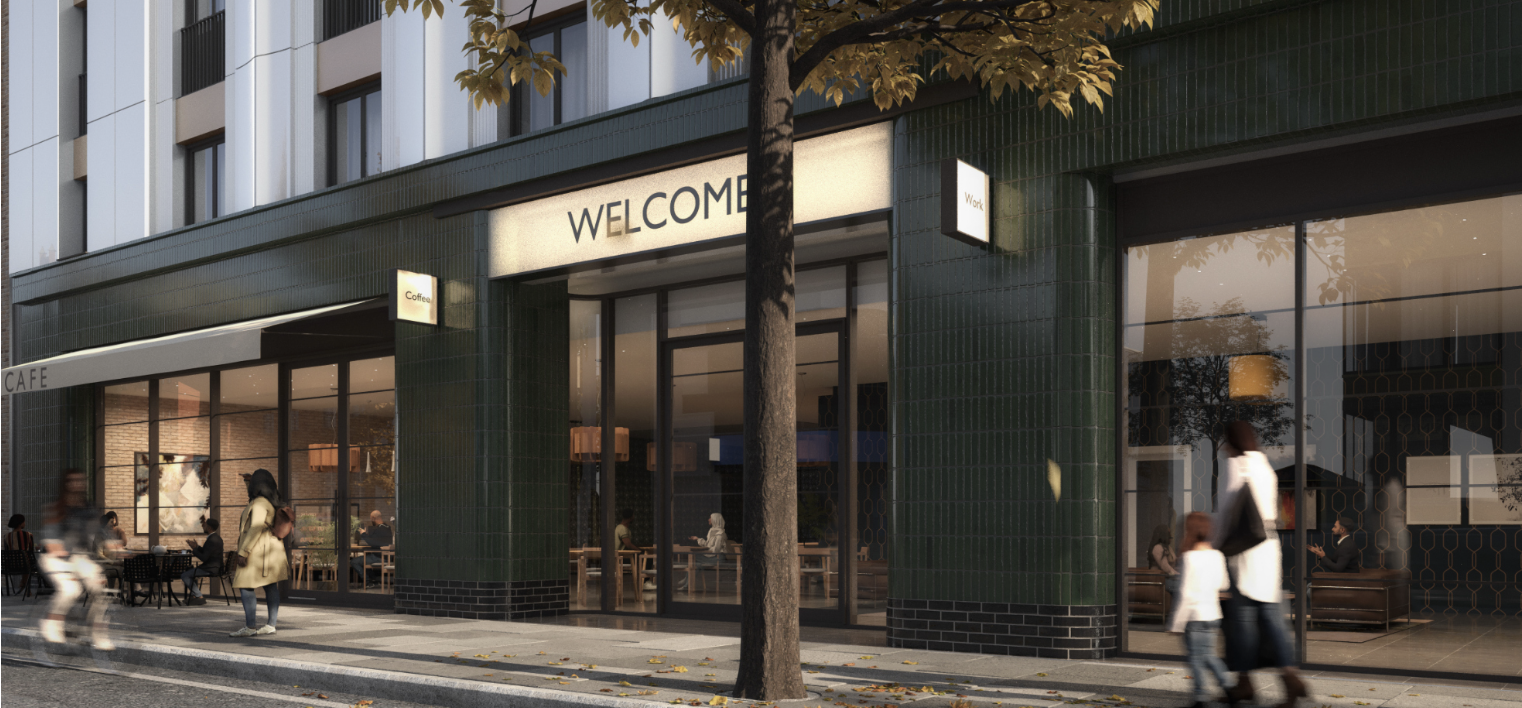
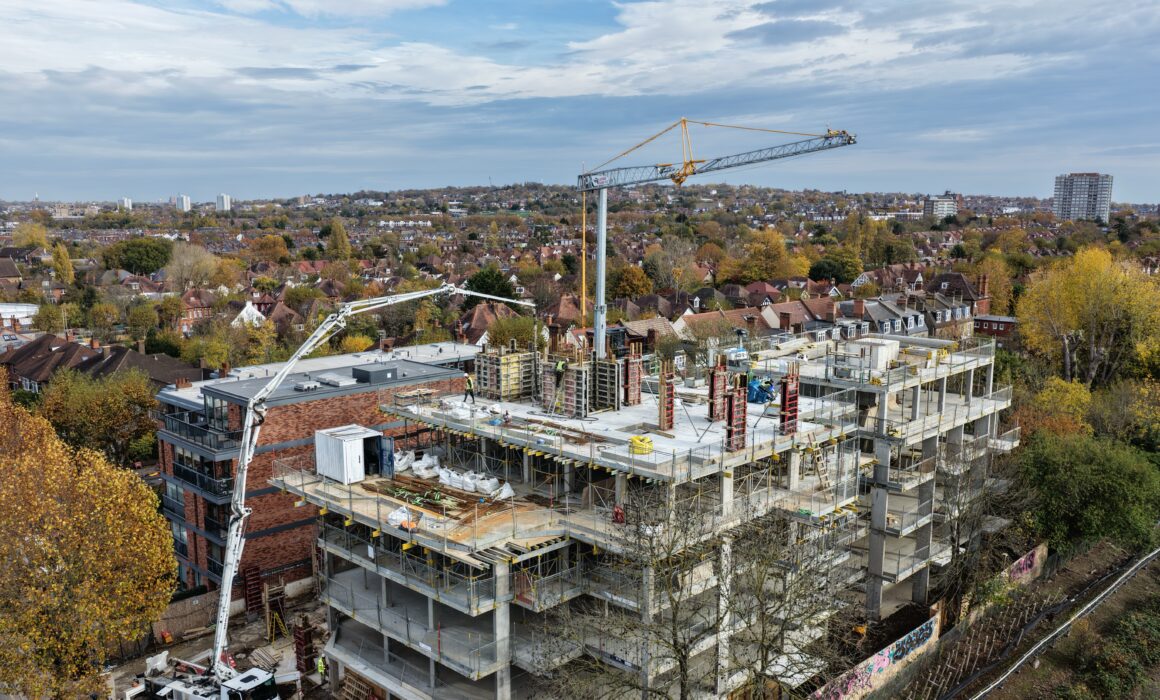
This nomination celebrates our newest flagship development, West Ealing All Inclusive Studios: 268 thoughtfully designed studio apartments located directly opposite West Ealing’s Elizabeth Line station on a site that had stood vacant for six years. Blending aparthotel-inspired design with serviced living and flexible leasing, it represents a truly hospitality-led approach to residential living, making this category a perfect reflection of our mission.
6) Best mixed-use development including residential – London and South East: Stirling Gardens
Stirling Gardens has been shortlisted for the Inside Housing Development Awards 2026.
We’re a finalist in Best mixed-use development including residential, London and South East.
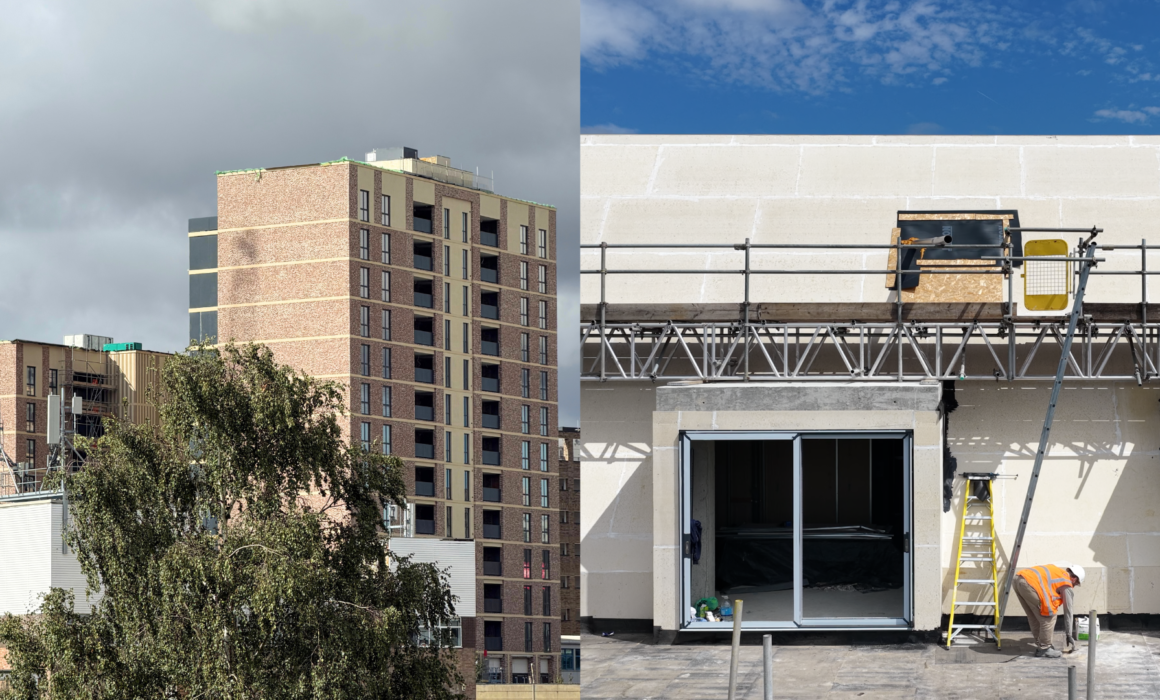
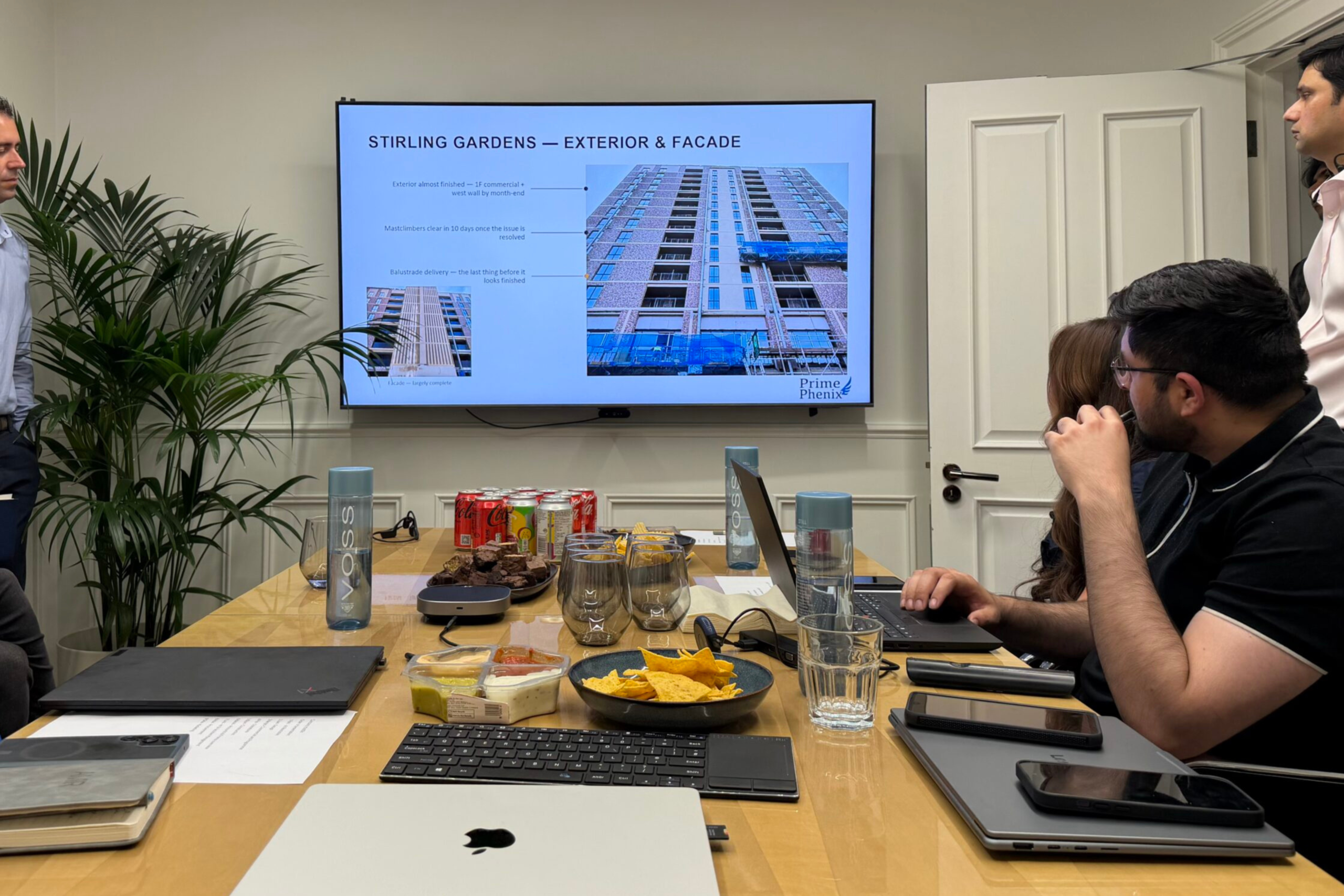
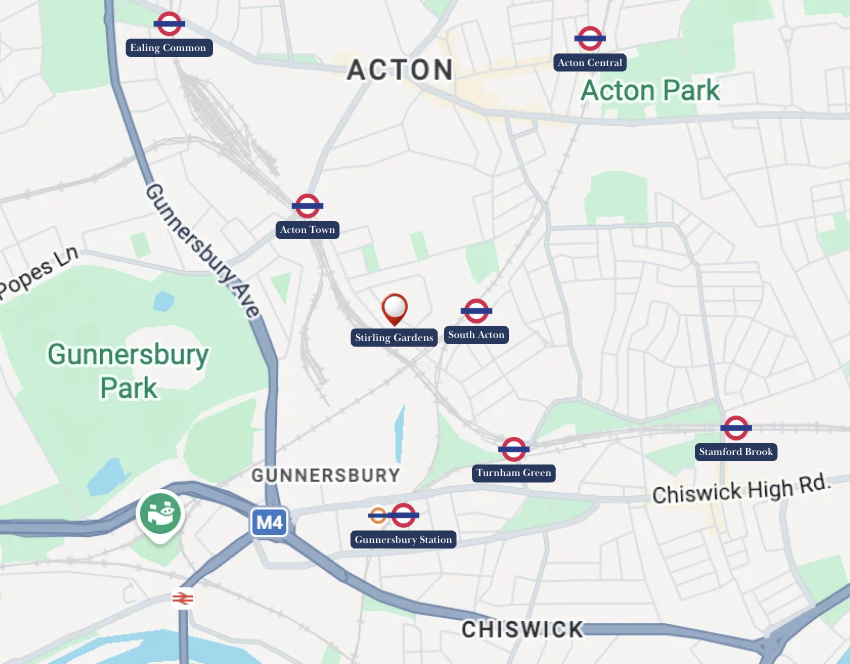
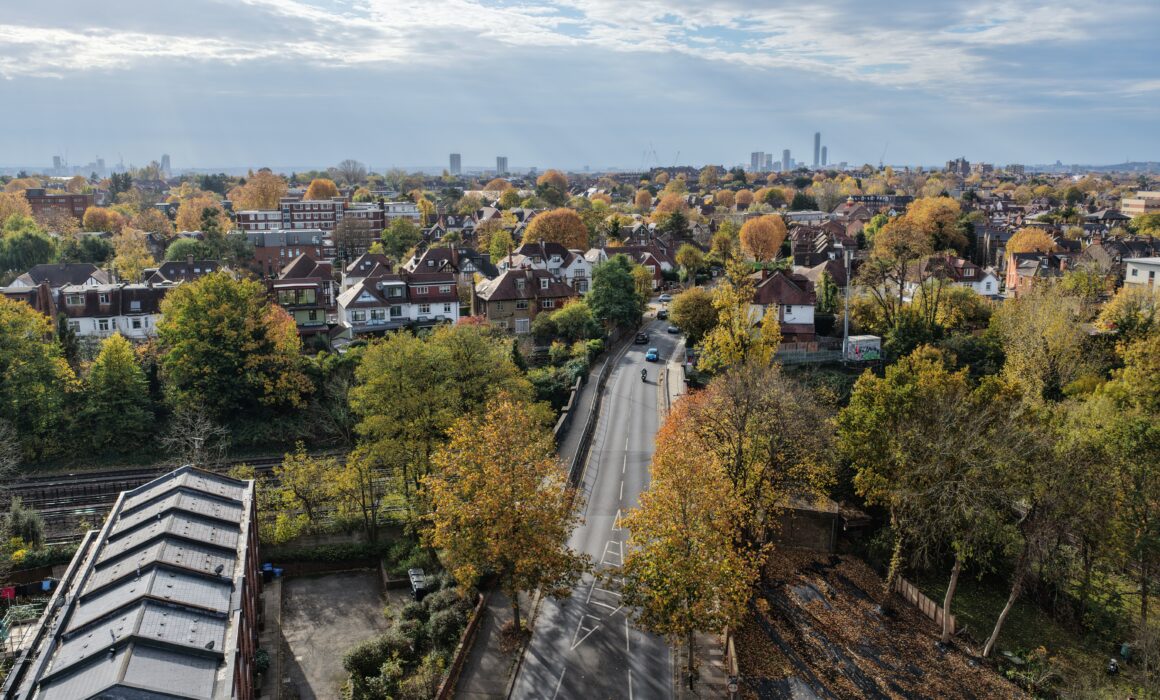
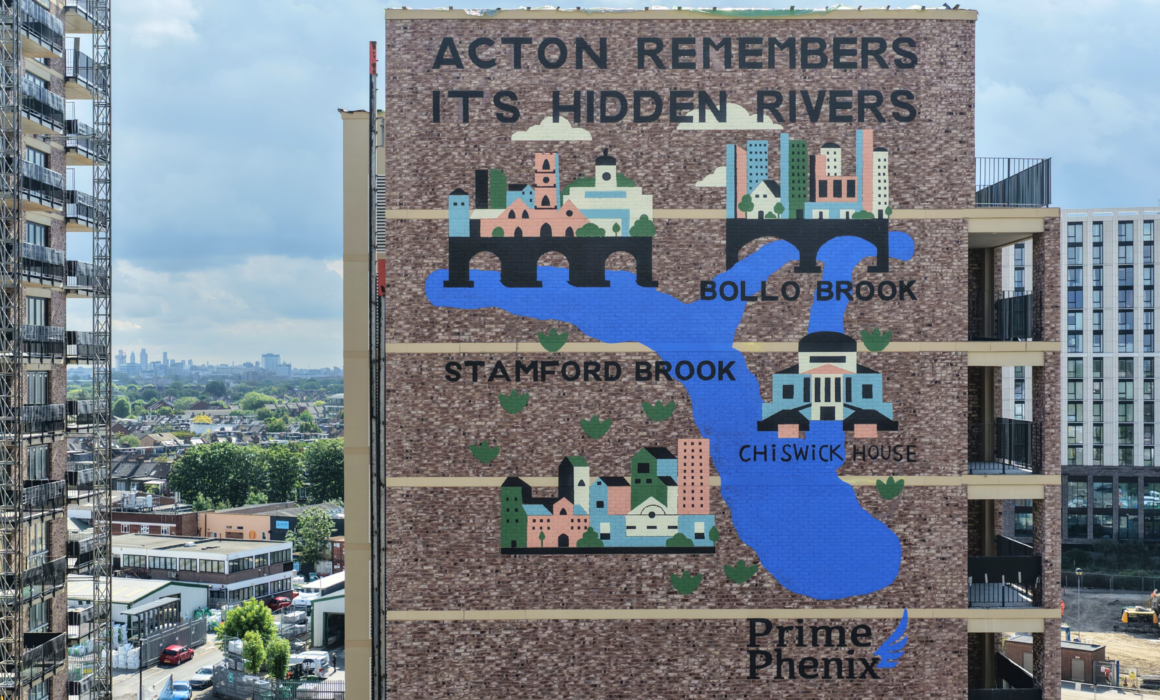
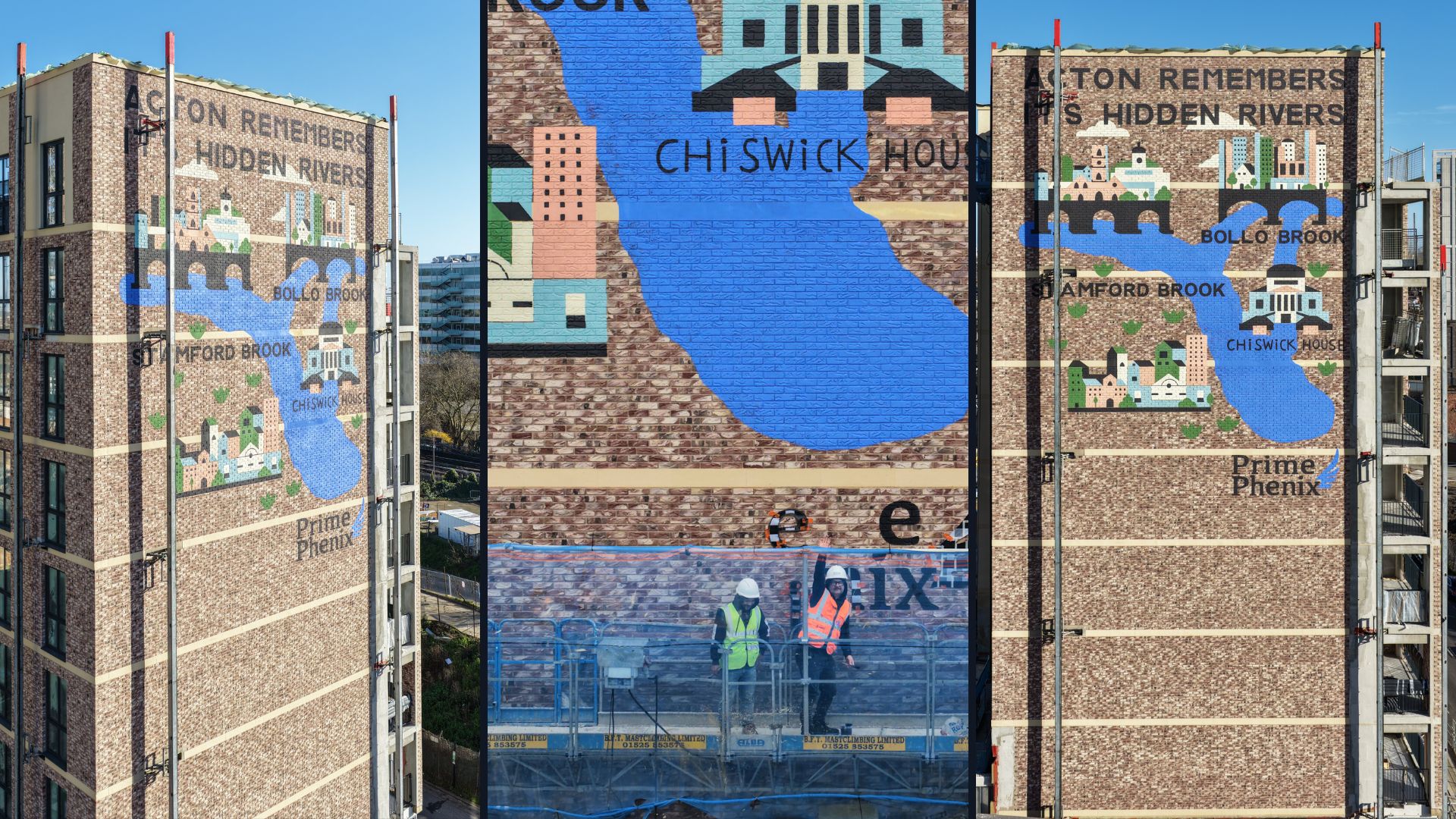
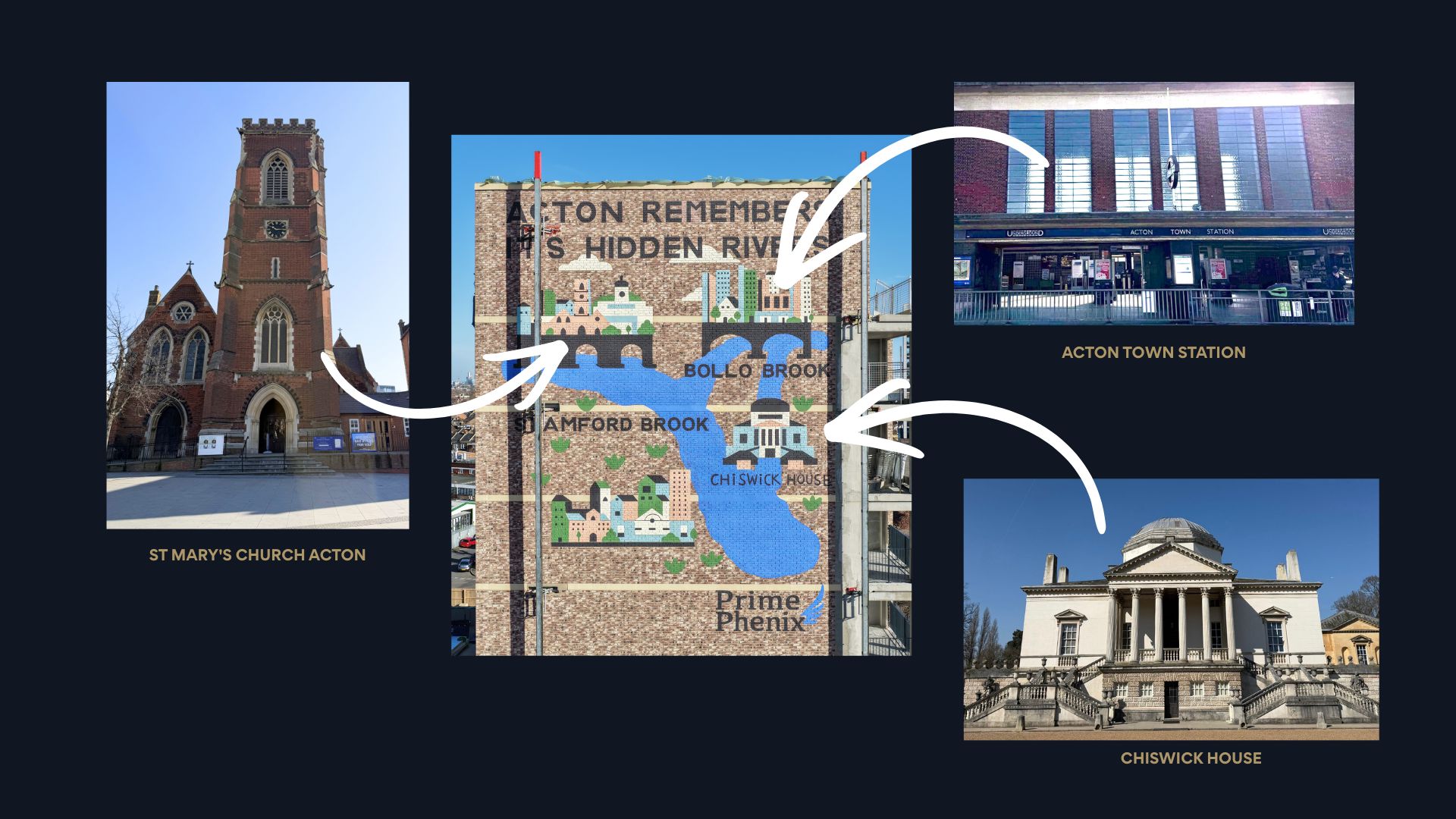
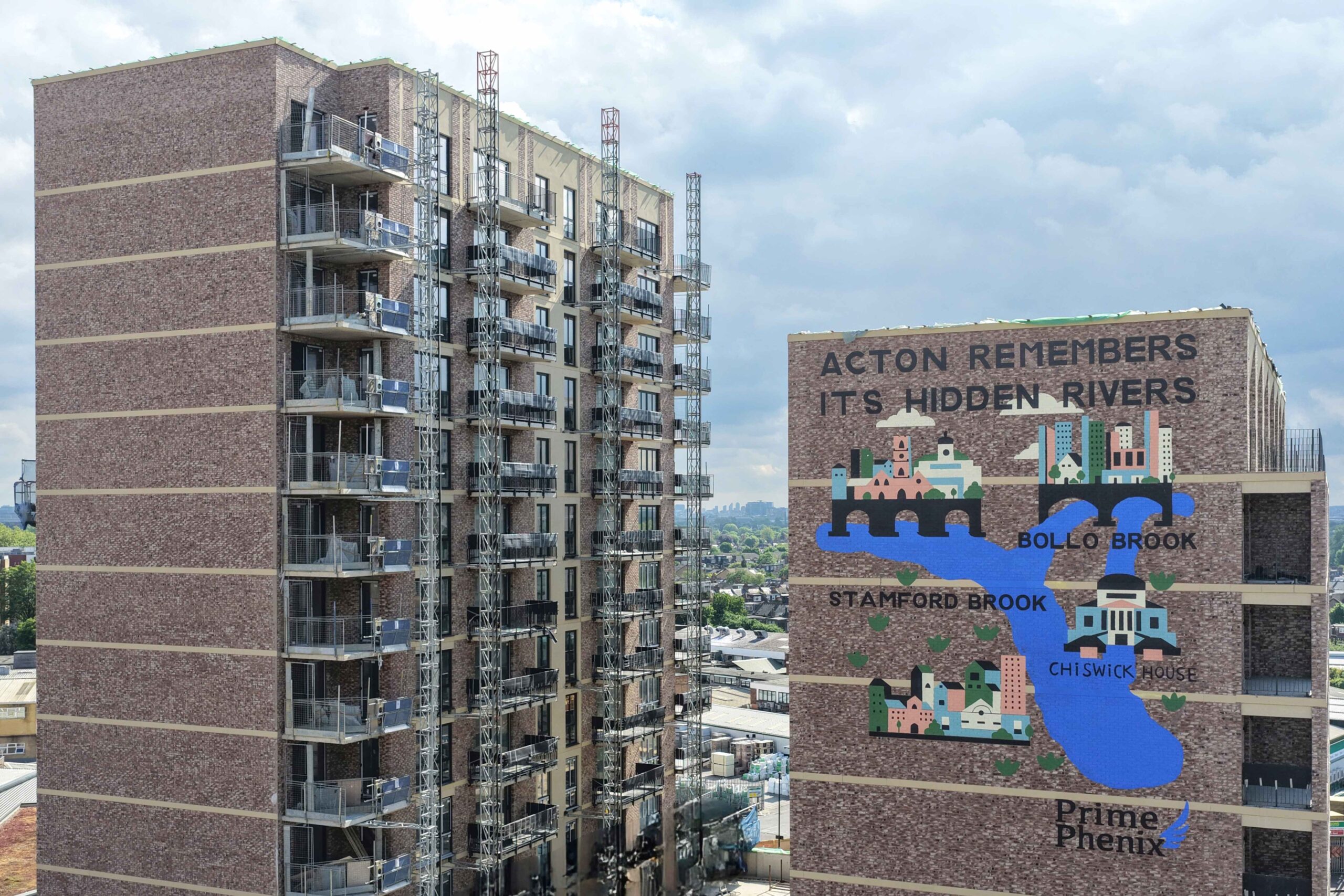
Stirling Gardens brings 88 homes and commercial space to Bollo Lane in Acton, across two buildings of 10 and 14 storeys. It has been delivered through our in-house construction, which lets us keep a close hand on quality from design through to handover.
Six nominations, one team.
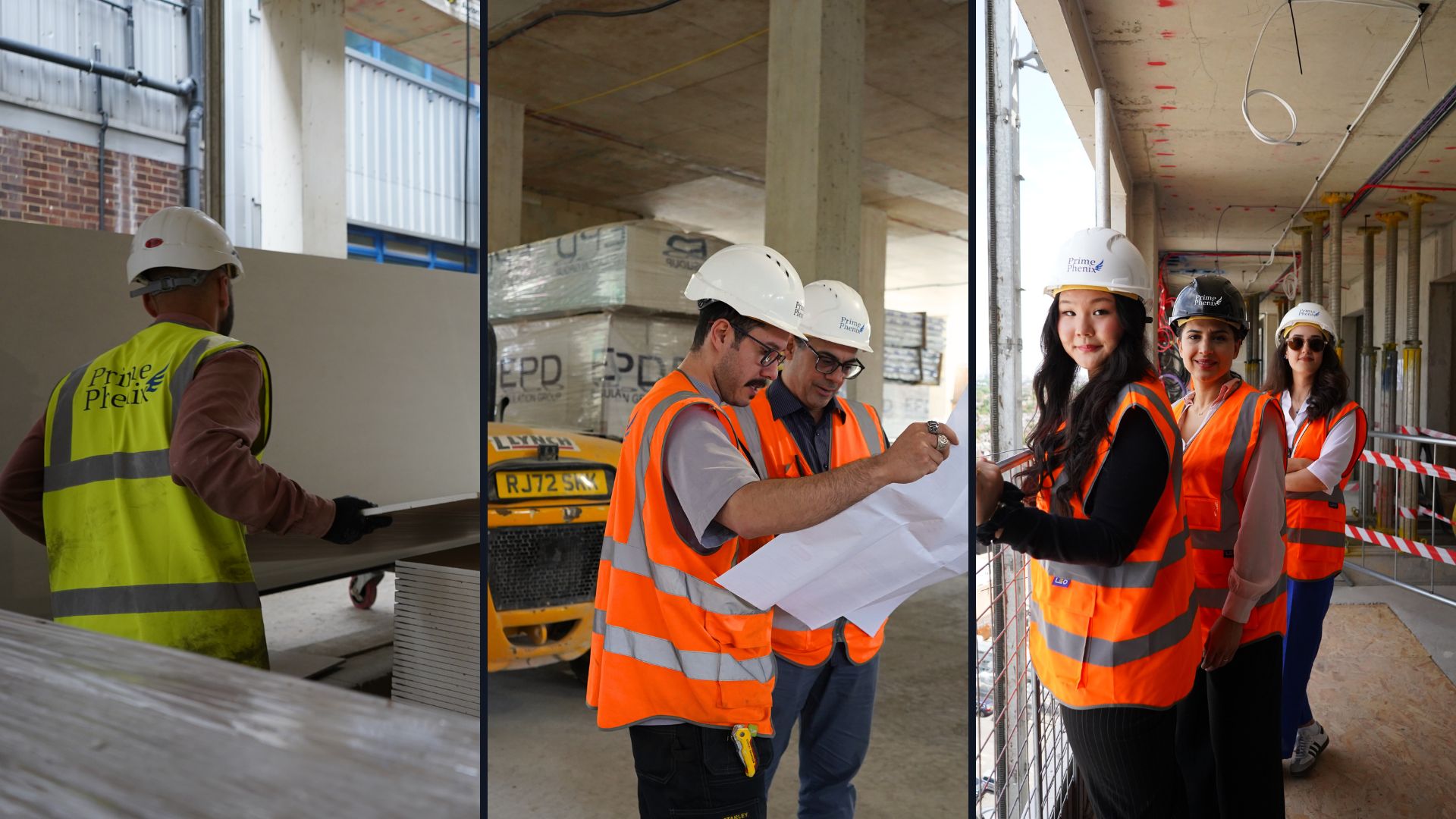
Five nominations, four award programs, one team, and a powerful testament to why we build the way we do. Regardless of the final outcomes, we are deeply grateful for this recognition and immensely proud of everyone who helped make it possible.